
Introduction
Airports manage thousands of passengers every hour, making effective crowd control and risk prevention a core part of airport operations. Traditionally, CCTV systems and video surveillance AI within camera security systems for business were used mainly for observation and post-incident review.
Today, artificial intelligence (AI) is transforming airport monitoring. Combined with computer vision and machine learning, AI-powered video analytics go beyond basic video monitoring, enabling real-time insight into crowd behavior and proactive responses before small issues impact operations.
Early Airport Monitoring Systems
Traditional CCTV and early video management systems (VMS) provided visibility across terminals and stored footage for investigations. However, they depended largely on continuous manual oversight, without automated alerts or anomaly detection algorithms.
As a result, congestion, abnormal behavior, or emerging risks were often identified too late. While effective for documentation, these systems provided little help with early risk prevention or real-time video intelligence.
Operational Benefits for Airports
AI-driven video analytics contribute to daily airport operations by providing:
- Better staff allocation through real-time visibility into passenger movement and congestion.
- Fewer delays by identifying bottlenecks early at security, immigration, and boarding areas.
- More consistent SLA performance supported by video analytics dashboards and data-informed decisions
- Improved passenger satisfaction driven by smoother flows and shorter waiting times.
Why Airports Need Smarter Crowd Intelligence
Passenger volumes change constantly due to schedules, delays, and peak travel periods, with congestion at security, immigration, or boarding areas forming within minutes. At the same time, staff often lack full visibility across terminal zones, even with computer vision cameras in place.
Many operational risks develop quickly, including emerging bottlenecks or shifts in crowd density, which may be detectable only through people counting analytics or object tracking. Real-time video analytics help close these gaps by maintaining continuous visibility and supporting faster responses and smoother passenger flow during peak or disrupted operations.
How AI Enhances Airport Safety and Operations
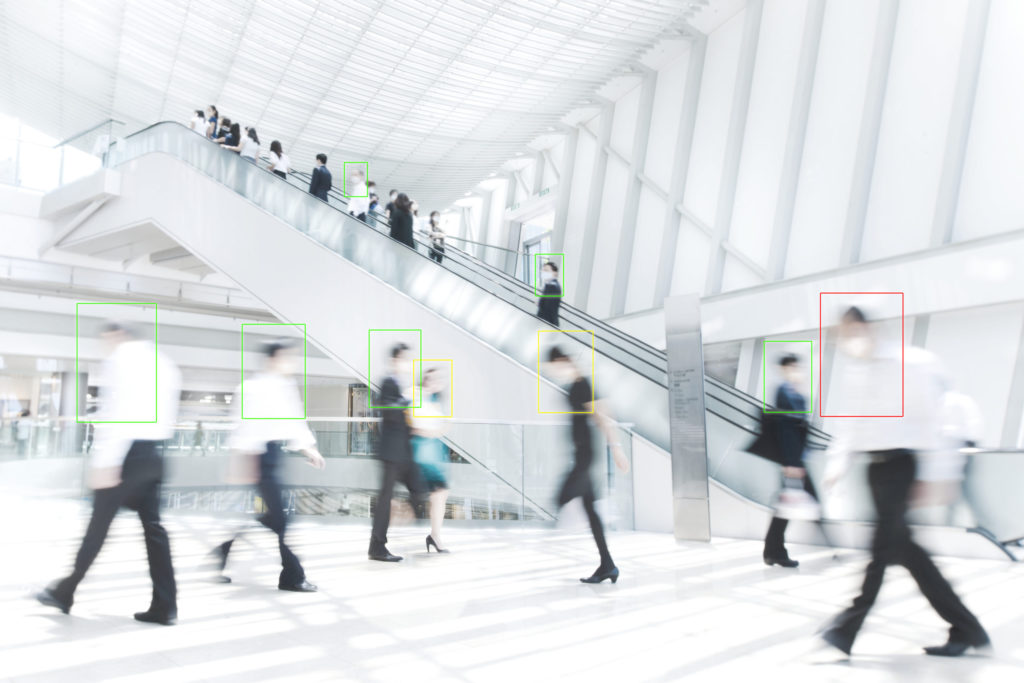
Modern AI-powered video analytics analyze live camera feeds to monitor crowd density, queues, and movement patterns, giving operations teams real-time situational awareness.
At Heathrow Airport, AI-driven analytics support passenger flow and air traffic control. Real-time video analytics help manage congestion at security and immigration, while AI tools analyze radar, camera, and flight data to detect bottlenecks earlier – enabling faster, informed decisions with human oversight.
For security, Tocumen International Airport in Panama uses a facial recognition system supported by image recognition AI to identify individuals of interest in crowded terminals. This approach allows security teams to prioritize relevant threats while keeping passenger movement smooth.
Video Intelligence for Airport Operations
Modern platforms turn video data into actionable operational insights. Instead of reviewing hours of recordings, teams are alerted to significant events, trends, or anomaly detection system signals as they emerge.
DXHub works with existing camera systems and video management systems, while CAMBOX PRO complements this setup by enabling monitoring in locations without fixed infrastructure through an edge AI solution. Together, they support faster response times, lower manual effort, and safer, more efficient airport operations.
Conclusion
Airport monitoring has evolved from simply recording incidents to actively preventing them. With AI-powered video analytics and computer vision algorithms, airports can anticipate crowd-related risks, respond faster, and maintain safe, efficient terminal operations.
As global air travel continues to grow, intelligent video systems will be essential in allowing airports to respond before issues escalate – protecting passengers, staff, and infrastructure before problems arise.
It’s time to work smarter
Evaluating AI for Crowd Control in airports?
We can help outline operational constraints, risk factors, and practical next steps.