
Healthcare
Healthcare AI automation
Turn hospital video, clinical documents, and operational data into structured, governed workflows.
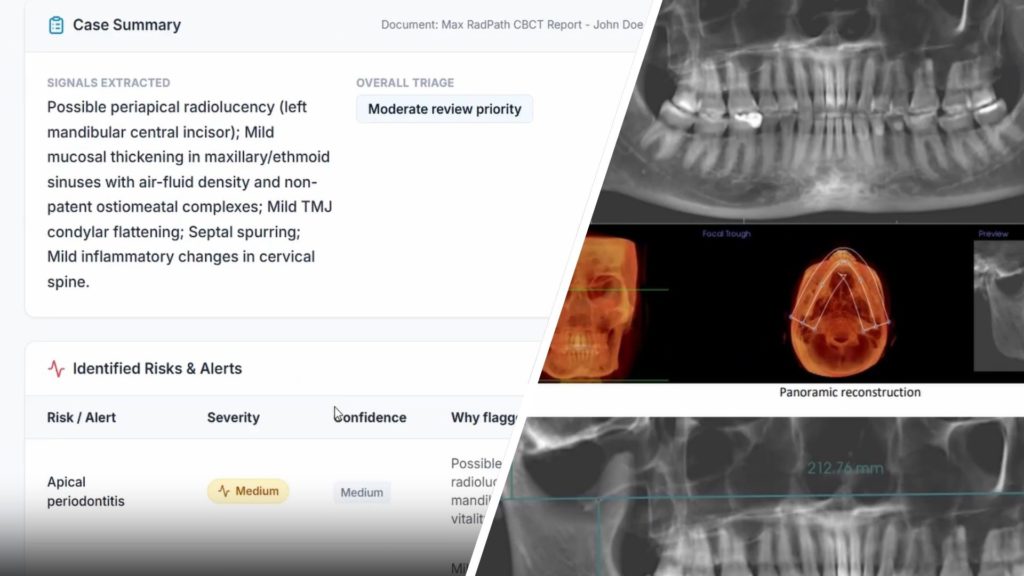
Clinical Data Processing
Turn hospital video, clinical documents, and operational data into structured outputs that help teams respond faster, reduce administrative load, and improve safety across daily operations. DeepX supports patient flow optimization, incident detection, and compliance reporting, helping reduce wait times and standardize care delivery from check-in to discharge using computer vision, AI document processing, and real-time monitoring.
Why Healthcare Uses AI
Healthcare uses AI to improve operational speed, visibility, and control across critical processes.
Patient Identification
Automate patient identification and check-in using computer vision and document capture to reduce duplicates and speed workflows.
Safety Monitoring
Apply video analytics and anomaly detection to detect risks early and reduce delays in safety response workflows.
Document Automation
Automate claims and referrals using AI document processing and workflow automation to reduce errors and speed workflows.
Diagnosis Support
Apply video analytics and anomaly detection to support diagnosis and reduce delays in clinical decision processes
Clinical Summarization
Use agentic AI and text summarization to structure clinical data and reduce delays in documentation workflows.
Asset Tracking
Use video intelligence and event tracking to monitor assets and reduce delays in coordination and search workflows.
Data & Integration
We integrate with existing healthcare systems without replacing core infrastructure:
Electronic health records and clinical systems
Medical imaging systems and PACS
Clinical documents, forms, and administrative records
Hospital CCTV and operational video systems
Medical devices and patient monitoring systems
Data remains in place. AI converts it into structured clinical and operational records.
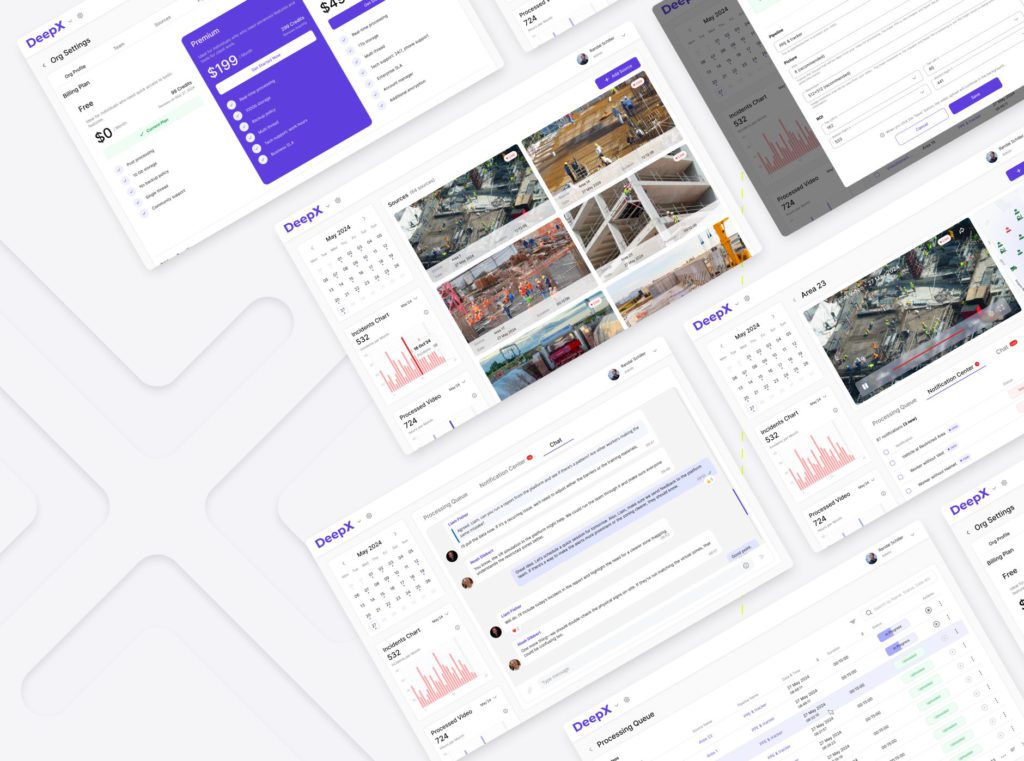
DXHub
DXHUB is a modular AI Platform.
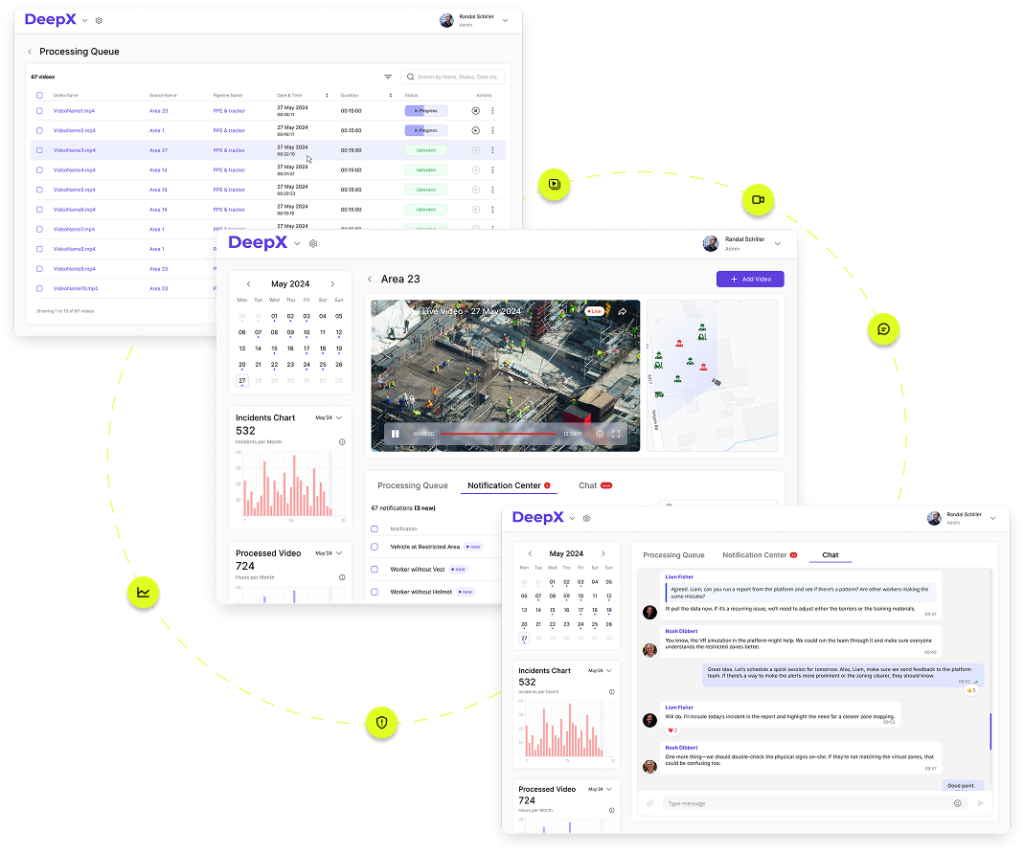
It takes fragmented video, documents, and multimodal inputs and converts them into structured, searchable, model-ready data without requiring changes to your existing infrastructure.
Transforms raw data into AI-ready formats
Unifies video, documents, and sensors
AI chat for quick summaries and guidance
Featured Cases
AI Medical Diagnosis Assistant
The Challenge
Clinical diagnosis still depends on fragmented inputs across medical imaging, patient records, and manual interpretation, which slows decision-making, increases risk of errors, and creates inconsistencies across cases.
Our Solution
DeepX built an AI Medical Diagnosis Assistant that combines computer vision for medical imaging, AI document processing for clinical records, and agentic AI to structure signals into consistent, data-driven diagnostic insights.
Results & Impact
This converts unstructured clinical data into structured, auditable diagnostic support, helping clinicians reduce decision latency, improve accuracy, and scale consistent diagnosis across high patient volumes.
How Impact Is Measured
Reduce patient check-in time
Speed up incident response time
Minimize duplicate patient records
Increase straight-through processing
Accelerate prior authorization decisions
Lower claim denial rates
Implementation Path
Strategic Discovery
Define use cases, set healthcare KPIs, identify safety risks, and document compliance requirements.
Data Readiness
Assess workflows, review integrations, validate data quality, and prepare secure environments.
Controlled Pilot
Deploy in departments, validate models, measure KPIs, and document outcomes.
Production Rollout
Scale operations, enforce access control, enable audit logs, and formalize oversight.
Continuous Evaluation
Monitor KPIs, review compliance, assess model drift, and improve processes.
Operational Validation
Confirm impact, validate performance, document compliance, and secure approval.
Realization
Make hospital operations actually visible and measurable
Start with one use case, prove impact fast, and scale AI with full control over data, access, and compliance.
Frequently Asked Questions
Can you use our existing hospital cameras?
Yes, we work with your existing CCTV and IP camera systems, and we can add edge units only where needed. We design our computer vision layer to sit on top of your current infrastructure, so you don’t have to replace cameras or rebuild systems. This allows you to start with a pilot on a subset of feeds and scale as your teams validate operational value. From the start, we apply governance controls to prevent the uncontrolled propagation of video data as systems are connected across your environment.
Do you support live video streams?
Yes, we support real-time video streams, including RTSP and RTMP, with built-in motion, object, and anomaly detection. We enable live operational workflows such as safety monitoring and alerting, where response time matters. At the same time, we ensure that every alert is generated from governed data handling, not ad-hoc video access or exports. We typically combine live analytics with audit logs and role-based access control, so you can track who accessed which feed, for what purpose, and what action followed.
How do you automate clinical documents?
We go beyond OCR by turning clinical documents into structured, validated data that can be used downstream. Our approach includes document classification, data extraction, validation, and routing into your systems. We support multiple formats, including PDFs, scans, emails, images, and handwritten forms. This is especially useful for referrals, prior authorizations, and administrative records. With governance layers like human approvals, RBAC, and audit trails, you can automate more steps while maintaining full accountability.
Do you deploy on-premise or in the cloud?
We support both on-premise and cloud deployments, and most healthcare environments use a hybrid setup. In practice, this means sensitive data, such as video streams and device data, can stay local, while only structured outputs are shared with downstream systems or reporting layers. We design this with governance in mind, clearly separating raw data from derived data and enforcing controls like access policies, audit logs, and retention rules.
Can you integrate without replacing our existing systems?
Yes, we integrate into your current systems without requiring replacement. We convert video, documents, and operational inputs into structured, searchable data and send that into your existing workflows and platforms. This “augment, not replace” approach aligns with how healthcare systems evolve in reality. At the same time, we ensure integration does not expand access beyond defined roles or create uncontrolled copies of sensitive data, keeping governance intact across the environment.