Coverage moves with the operation across haul roads, loading zones, maintenance areas, and temporary work sites instead of staying tied to fixed infrastructure.
Mining
AI for Mining
Run safer, faster mining operations by turning CCTV into real-time operational intelligence.
Video Analytics for Mining
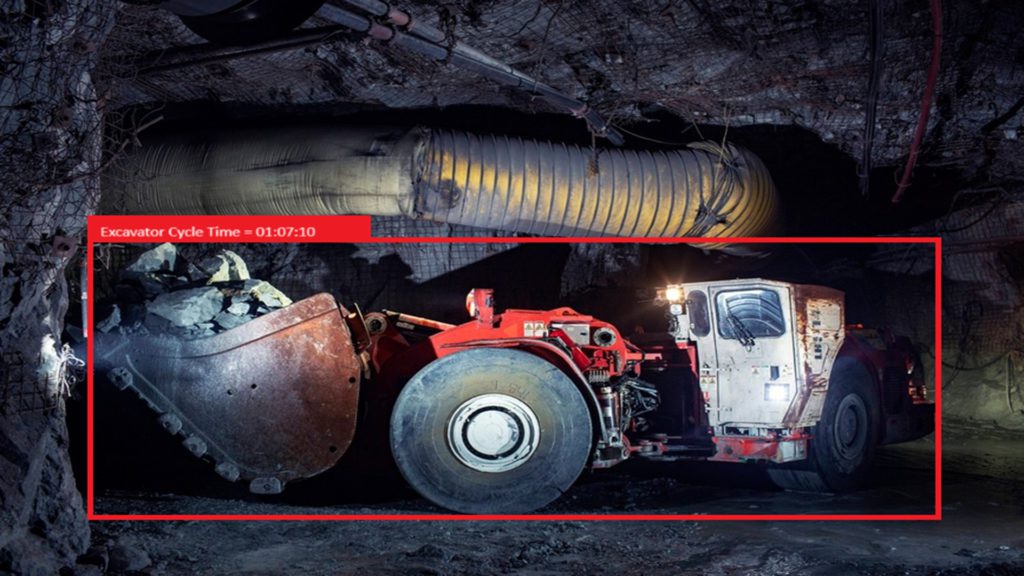
DeepX utilizes computer vision and AI-powered video analytics to identify risks early, minimize manual monitoring, and generate audit-ready event timelines across open-pit and underground sites. Mining is widely recognized as one of the most hazardous occupations globally. Better visibility, faster alerts, and stronger controls are not “nice to have” capabilities, they are operational necessities
Why Mining Uses AI
AI video analytics turns mining cameras into operational data sources that track material flow, monitor process quality, and provide real-time plant visibility.
Froth Analysis
Computer vision analyzes flotation froth to measure bubble size, stability, and surface dynamics, helping optimize flotation performance and mineral recovery.
Production Tracking
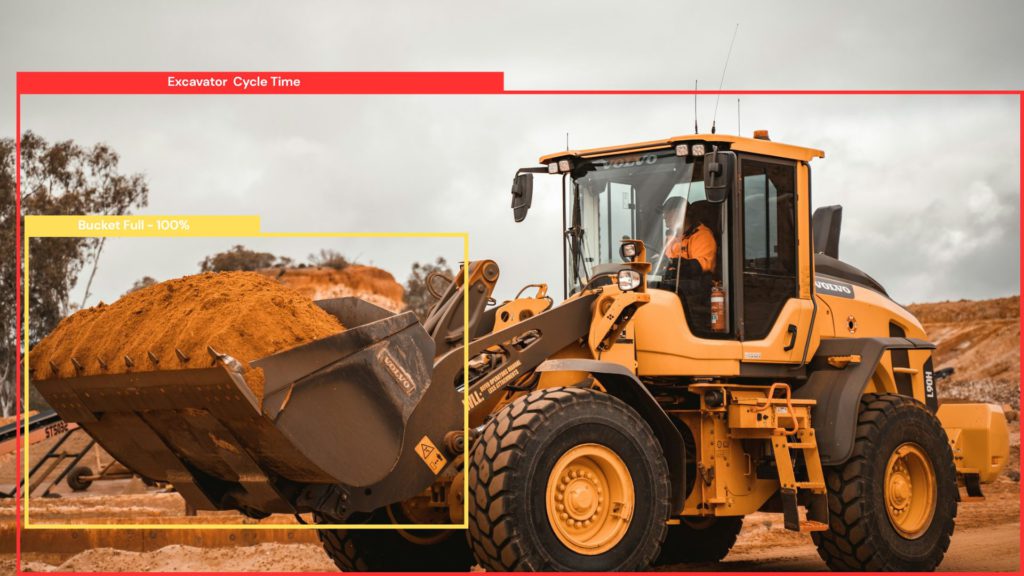
Computer vision counts trucks, loads, and processed material volumes to generate real-time production metrics.
Ore Quality
AI analyzes ore streams on conveyor belts to estimate material grade and detect waste material in real-time, helping to improve sorting decisions.
Equipment Health
AI monitors equipment behavior and movement patterns to detect abnormal activity and potential maintenance issues.
Material Flow
Video analytics tracks material movement across conveyors and crushers, helping detect blockages and monitor throughput.
Process Stability
Visual AI monitors plant operations to detect process drift and alert teams when production conditions change.
Data & Integration
We integrate with existing mining infrastructure without replacing core systems:
Existing CCTV and industrial camera networks
Mining VMS and surveillance platforms
Thermal and environmental monitoring cameras
Access control and site security systems
Operational event and safety logs
Video remains the source. AI converts it into structured operational records.
Portable Edge AI for Mining
Operational visibility starts at the mine site
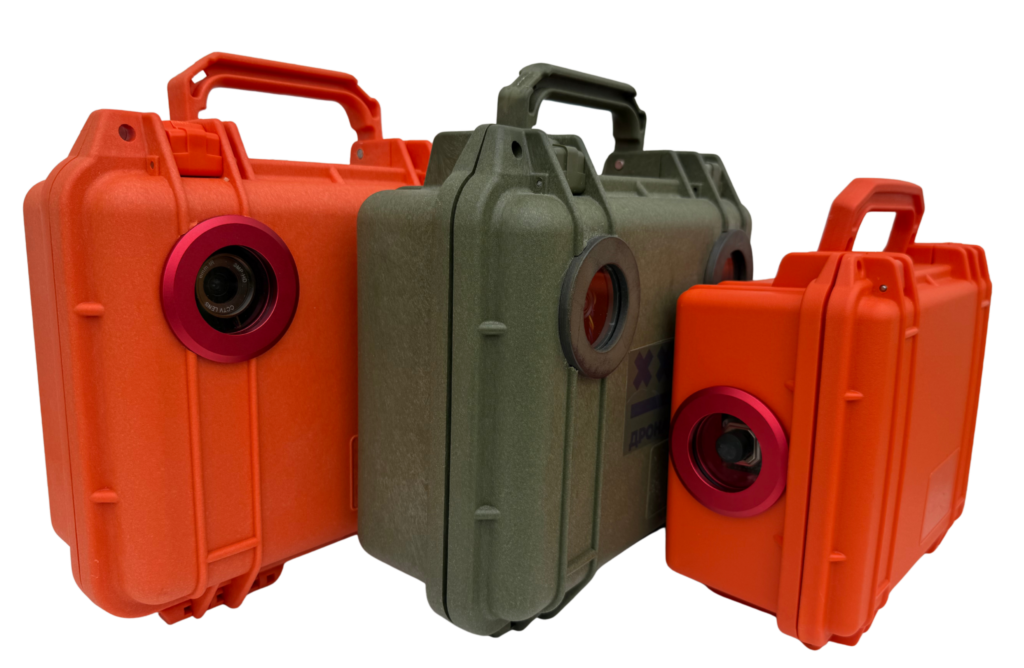
CAMBOX PRO is a portable edge AI solution that enables rapid deployment of cameras across open-pit and underground mining environments to capture safety- and operations-critical activity exactly where work is happening. This approach supports:
- Portable AI camera systems
- Stereo vision AI cameras
- Rugged edge AI vision systems
- Edge AI video analytics devices
DXHub
DXHUB is a modular AI Platform.
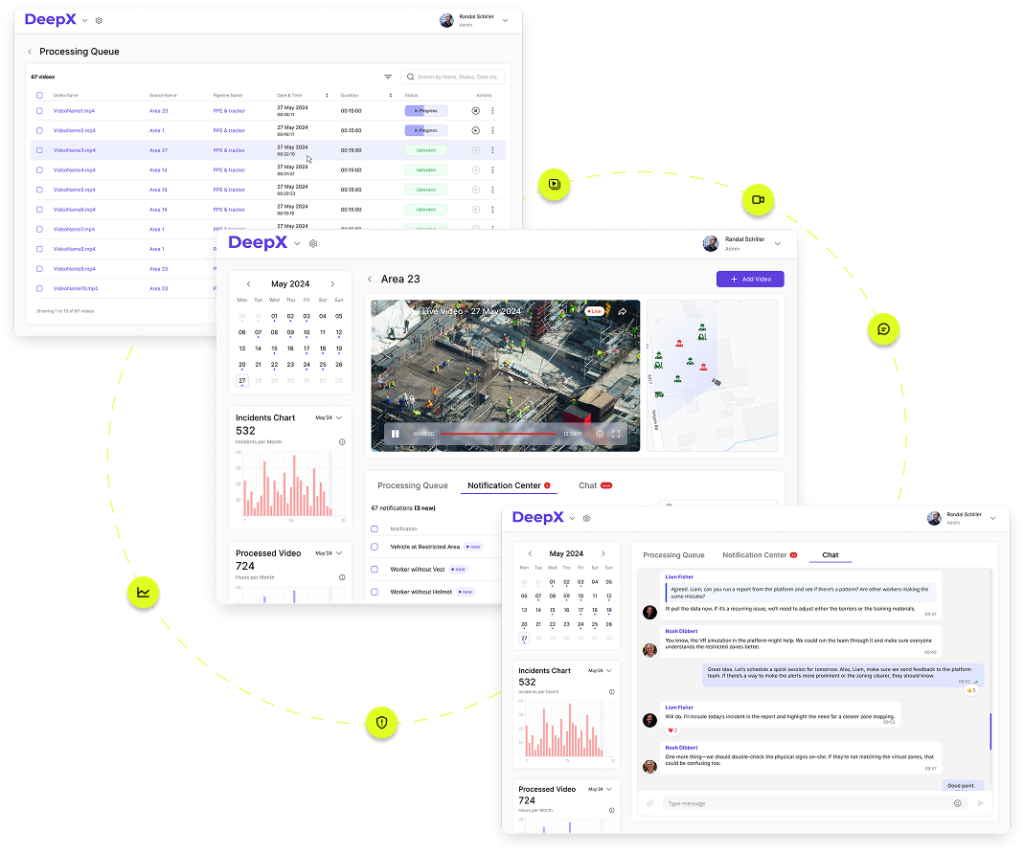
It takes fragmented video, documents, and multimodal inputs and converts them into structured, searchable, model-ready data without requiring changes to your existing infrastructure.
Transforms raw data into AI-ready formats
Unifies video, documents, and sensors
AI chat for quick summaries and guidance
Featured Cases
Froth Flotation
The Challenge
Traditional image-based monitoring of flotation froth could not reliably produce real-time, quantitative process metrics due to lighting, camera angle, and reflection issues that break heuristic detectors.
Our Solution
DeepX built a computer vision Soft Sensor using deep neural networks to segment and track bubbles from video, turning raw video into stable analytics like Bubble Size Distribution and surface motion in real time.
Results & Impact
This transforms subjective visual cues into objective, machine-readable data streams suitable for analytics and future automated control of flotation processes.
How Impact Is Measured
Reduce manual CCTV review hours
Detect safety violations earlier
Accelerate incident investigations
Minimize equipment downtime
Improve plant process stability
Expand mine site monitoring coverage
Implementation Path
Strategic Discovery
Define use cases, establish KPIs, identify operational risks, and document governance requirements.
Data Readiness
Assess camera coverage, review VMS integration, validate data quality, and prepare edge deployment.
Controlled Pilot
Deploy on selected assets, validate performance, track key KPIs, and document results.
Production Rollout
Scale across operations, enforce access controls, activate audit logging, and formalize oversight.
Continuous Evaluation
Monitor KPI performance, review governance controls, assess model drift, and implement improvements.
Operational Validation
Confirm KPI impact, validate model behavior, document compliance controls, and secure stakeholder approval.
Realization
Your Project
100%
Bring AI Video Analytics to Your Mining Operations
Discover how AI-powered video analytics and computer vision software improve safety, production visibility, and operational control across mining sites.
Frequently Asked Questions
Do we need to replace our cameras or VMS?
In most cases, no. Our AI video analytics platform is designed to work with existing CCTV and IP camera infrastructure. The system integrates with common video management systems (VMS) and camera security systems for business, allowing organizations to activate computer vision and AI-powered video analytics without replacing their current hardware.
This approach enables mining operations to upgrade traditional video surveillance into an intelligent video analytics platform while preserving previous investments in cameras, networking, and monitoring infrastructure.
What if some areas don’t have fixed cameras?
Mining operations often include temporary or rapidly changing work zones where fixed camera infrastructure is not available. In these situations, we deploy portable edge AI systems such as CAMBOX PRO.
These rugged units can be installed quickly in harsh environments and run computer vision models directly on the device. They perform AI video analytics locally, detect safety events or operational anomalies, and synchronize results with the central video analytics platform for alerts, dashboards, and investigation workflows.
What PPE can the system detect?
Computer vision models can detect common mining PPE such as helmets, high-visibility vests, gloves, and worker posture using pose estimation technology.
Depending on site requirements, additional equipment such as goggles, hearing protection, respirators, protective footwear, or other specialized safety gear can also be configured. This allows AI-powered video analytics to continuously monitor compliance with mining safety policies across multiple operational zones.
Can PPE rules vary by location?
Yes. Safety requirements can be configured as zone-based policies within the video analytics system.
The platform detects a person, verifies required PPE items for that specific area, and automatically evaluates compliance using computer vision algorithms. If required equipment is missing, the system records the event, triggers alerts, and logs the violation for reporting and safety investigations.
Can video analytics help reduce vehicle–pedestrian collisions?
Yes. AI video analytics adds safety layer in high-risk areas such as intersections, haul-road crossings, workshops, and loading zones.
Computer vision models can detect both vehicles and pedestrians, monitor their proximity, and identify unsafe interactions. These detections help enforce separation policies, identify near-miss incidents, and generate evidence for incident investigation and mining safety reporting.
Will the system work in low-light or dusty environments?
Mining environments often present challenging conditions such as low light, dust, fog, and harsh weather.
The video analytics platform supports integration with multiple camera types, including thermal cameras, infrared cameras, and industrial CCTV systems. Combining these sensors with AI-powered video analytics allows reliable detection even in environments where traditional cameras struggle.
Can the platform support multiple mining sites?
Yes. The platform is designed for multi-site mining operations.
Central dashboards provide visibility across camera networks, alerts, and operational events from multiple locations. This enables safety teams and operations managers to monitor multiple mines, processing plants, and logistics facilities from a unified video analytics environment.
Where can the platform be deployed?
The platform is designed for multi-site mining operations. The system supports edge, on-premise, cloud, and hybrid deployment architectures.
Edge AI processing allows computer vision models to run directly near cameras, reducing latency and bandwidth requirements. Cloud or centralized infrastructure can then aggregate analytics data from multiple sites, enabling enterprise-level monitoring and operational intelligence.
How is video and operational data secured?
Security is implemented through multiple layers, including role-based access control, encrypted data transmission, and secure storage.
The platform maintains detailed audit logs of video access, event exports, and configuration changes. These controls support compliance requirements and ensure responsible management of surveillance data.
Can AI monitor conveyors and material flow?
Yes. AI video analytics can analyze conveyor systems to monitor material flow, detect blockages, and identify abnormal operating conditions.
Computer vision algorithms track belt movement, load patterns, and material accumulation, allowing operations teams to identify inefficiencies and potential failures earlier.