
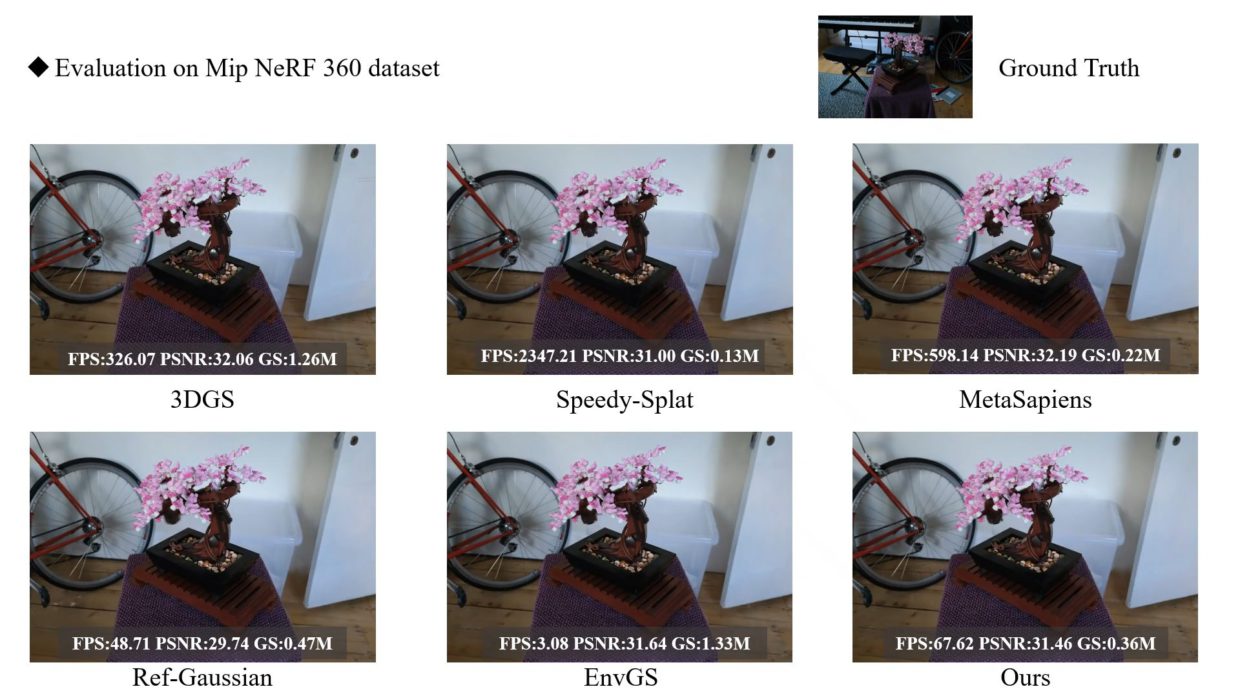
3DGS in short NeRF (Neural Radiance Fields) forms images by sampling a neural field along many rays, which looks good but can be slow. 3D Gaussian Splatting (3DGS) replaces heavy per-pixel networks with many Gaussian splats and anisotropic points with … Read More
3D
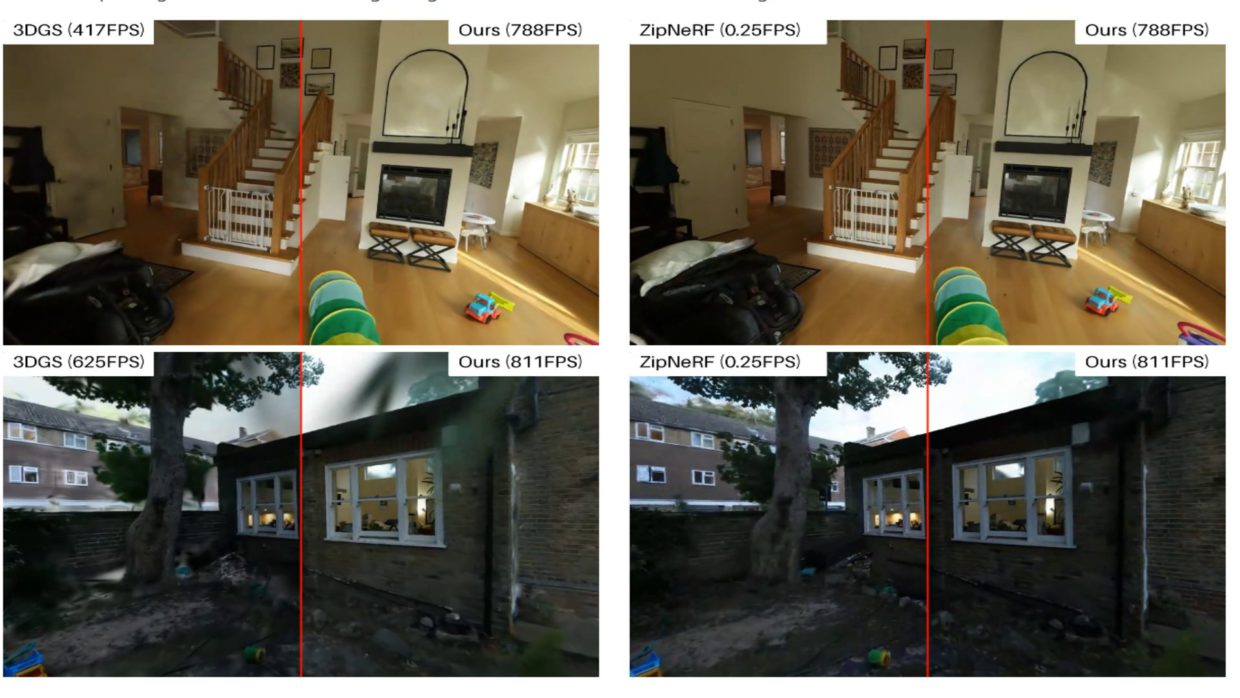
What Makes 3D Gaussian Splatting So Much Faster
Creating realistic 3D models has historically been a slow process or one that produced limited results. A technique called 3D Gaussian Splatting (3DGS) provides a powerful solution, making waves in fields like computer vision and AI. Instead of building 3D … Read More
DeepSloth: Depth estimation trained on synthetic pose data
We believe that using deep learning and synthetic data can aid a person’s depth estimation task. In this article, we will discuss the details of a relevant dataset generation process and demonstrate the depth estimation results on real data. Why … Read More
Rangefinding, Deep Learning, and Synthetic Data
There is a task: given an image of a person, determine the distance between this person and the camera from which the given image was captured. Terminology and theoretical foundations relevant to this task were discussed in the preface to … Read More
Preface to Depth Estimation
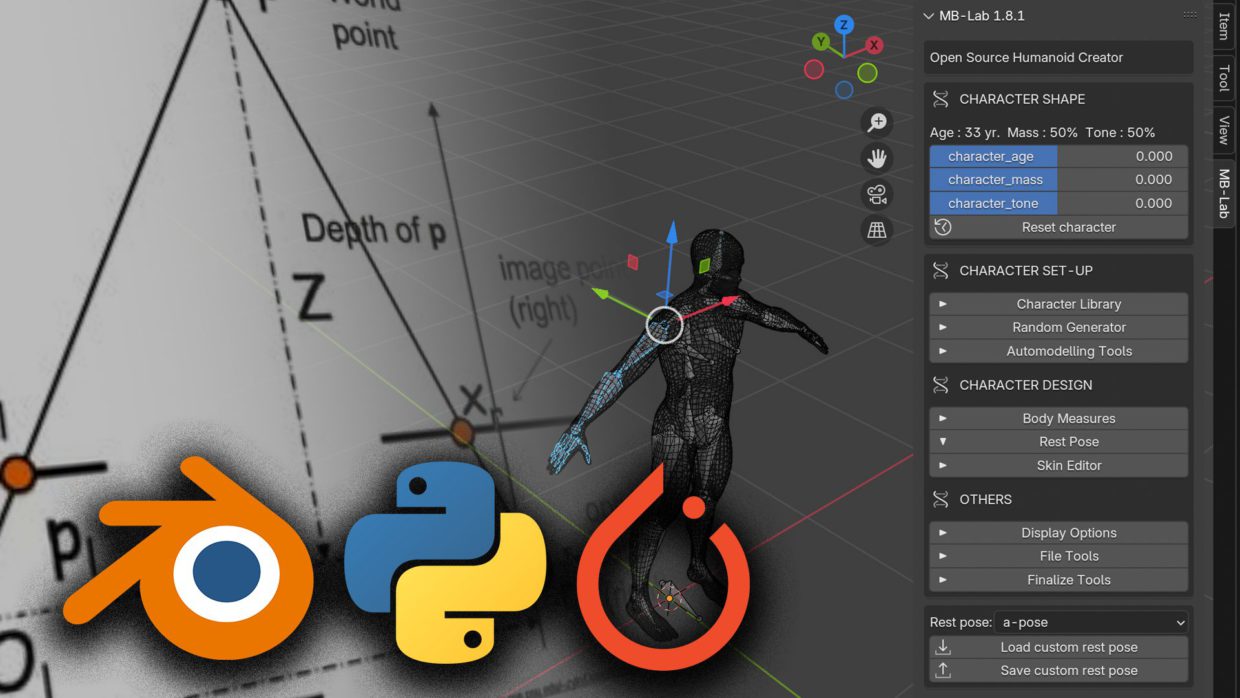
There is a task: given an image of a person, determine the distance between this person and the camera from which the given image was captured. In this article, we will discuss terminology and theoretical foundations relevant to this task. … Read More
Synthetic Data in Object Recognition
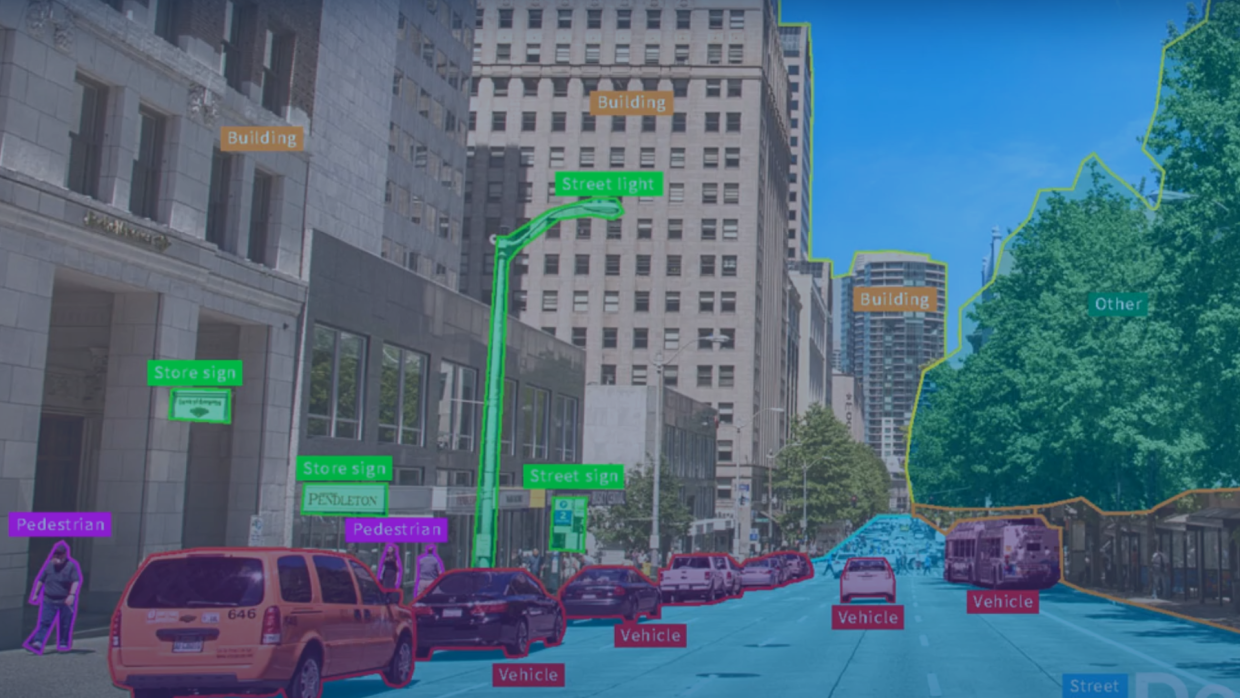
In today’s digital age, data is the oil that powers innovation in various technological realms. One particular area that has seen significant growth is object recognition, an important segment of the broader computer vision domain. The challenge, however, has always … Read More